
Heavy Machinery and Equipment Removal in Surrey
Unwanted machinery can occupy useful space in a warehouse, workshop or yard. Moving it requires more planning than collecting an ordinary household item.
Lower Mainland Scrap Recycling Center assesses heavy machinery and equipment removal in Surrey. Tell us what the machine is, where it sits and how it can be reached. We will review the information and discuss whether a suitable collection can be arranged.
Equipment We Consider for Collection
We receive enquiries from businesses, property owners and people responsible for clearing unwanted machinery. Acceptance depends on the individual equipment, condition, access and collection requirements.
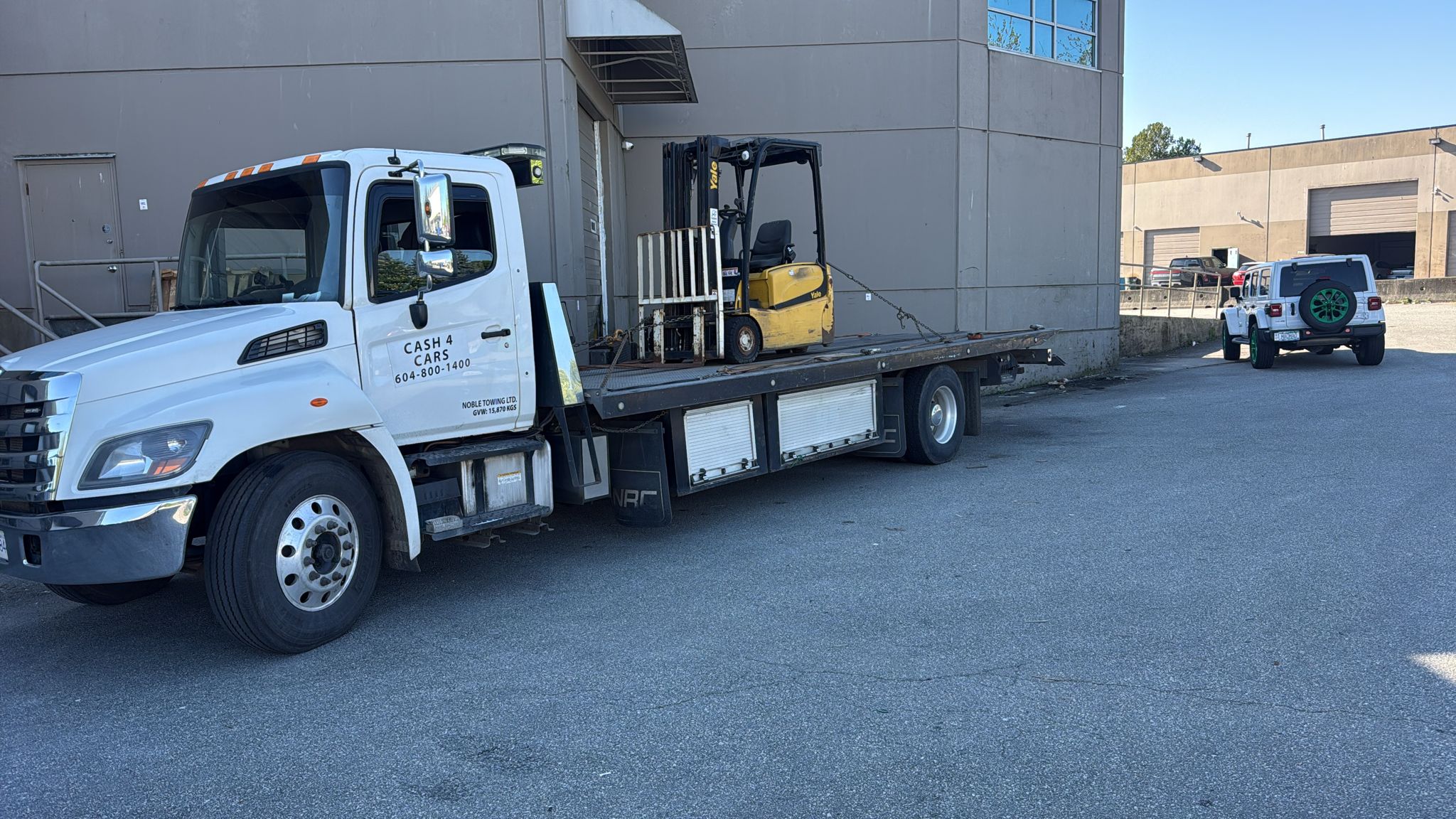
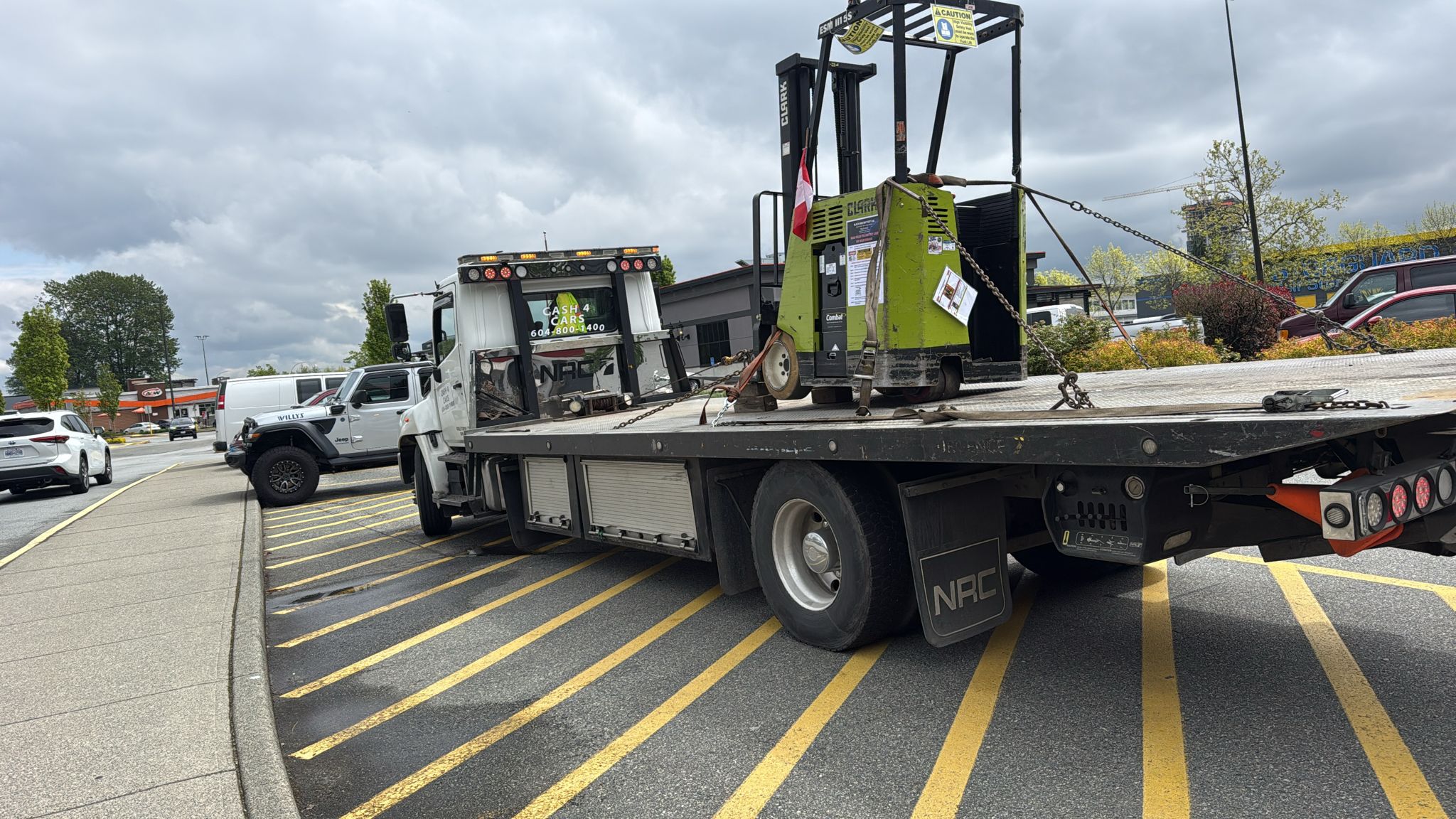
Forklifts and Warehouse Equipment
Tell us about the forklift type, approximate weight and whether it moves under its own power. For other warehouse equipment, include its dimensions and position in the building. Entrance width, loading access and nearby stock can all affect the plan.
Construction Machinery
Excavators, loaders, backhoes and other construction equipment need an assessment based on their size and condition. Tell us whether the machine can move and whether the ground around it is suitable for access. Photos of the site are useful alongside the machine details.
Factory and Workshop Machines
For presses, lathes, milling machines, compressors and other industrial equipment, explain whether the item is freestanding or attached to the building. Mention any services still connected. Do not disconnect or dismantle machinery simply to prepare an enquiry.
Farm Equipment and Outdoor Machinery
Equipment on farms and larger properties may have narrow access routes, soft ground or other obstacles. Share the route from the entrance to the machine and explain any seasonal access problems. A street address alone may not show the actual collection conditions.
Containers and Heavy Commercial Loads
Container and heavy steel enquiries are assessed individually. Include dimensions, contents where relevant, condition and the available approach. If several items are involved, list them clearly rather than describe the job only as a site clearance.
Start With the Machine and the Site
A collection plan needs to account for both the equipment and its surroundings. A machine with a clear route to an open loading area is different from one behind a narrow door or surrounded by active production equipment.
Send the make and model if known, along with approximate dimensions and weight. If you do not know the weight, say so rather than guess. A photo of the identification plate may provide useful information, provided it does not expose private business details.
Explain whether wheels or tracks move, whether attachments are present and whether anything is unstable. Tell us about problems that could affect handling before a collection is agreed.
Access Details That Help With Assessment
Entrances and Turning Space
Provide the width and height of the entrance where practical. Mention narrow gates, tight corners, overhead services and parked vehicles along the access route. The collection plan needs to consider how equipment can leave the property, not just how someone can walk up to it.
Indoor Position and Exit Route
For a machine inside a building, explain the floor level and the route to the exit. Mention steps, ramps and areas that must remain clear for other workers. Photos showing the whole route can be more useful than several close views of the machine.
Loading Area and Property Rules
Tell us whether there is a designated loading area and whether its use needs permission. Include any appointment requirements, restricted working hours or site contact arrangements. For shared commercial premises, check who can approve the collection activity.
Ground and Outdoor Conditions
Mention unpaved routes, slopes and ground that becomes soft after rain. Do not assume a vehicle can approach a machine because a small car can reach the same spot. Access needs to be assessed for the actual job.
How Machinery Removal Is Arranged
1. Send Equipment Details
Use the enquiry form with the equipment type, condition and location. Include clear photos of the machine and surrounding access where possible.
2. Review the Collection Requirements
We may ask for dimensions, approximate weight, working condition or further access information. Some enquiries need more detail before suitability, cost or an offer can be discussed.
3. Agree on the Scope
Confirm which items are included, what preparation is required and who will handle each part of that preparation. Discuss the collection timing, payment or charges and any site requirements before work is booked.
4. Prepare the Agreed Access
Once arrangements are confirmed, make the agreed route available and ensure the site contact knows the plan. Let us know if another contractor, delivery or workplace activity changes access before the collection.
5. Complete the Collection
The actual equipment and site conditions are checked against the agreed details. Any material difference needs to be discussed before proceeding. Collection should follow the plan agreed for that specific job.
Preparing Machinery Without Creating More Work
Do not begin cutting, lifting or disconnecting equipment based on assumptions about what will be needed. Explain the current condition first and ask which preparation is required.
If electrical, gas, fluid or other connections need attention, arrange the appropriate qualified help for that work. The removal enquiry itself does not confirm that disconnection, cleaning, rigging or building work is included.
Keep people away from unstable equipment and avoid moving a machine without a suitable plan. The most useful first step is accurate information, clear photographs and a discussion of the job.
Can You Receive an Offer for the Equipment?
Some unwanted machines may be suitable for a purchase offer. Equipment type, completeness, condition and collection requirements affect that assessment.
This page explains the removal process. For more detail about selling equipment and the information needed for a valuation, visit cash for scrap machinery.
A purchase enquiry does not automatically mean every item will qualify or that collection will be free. Ask for the agreed terms to be explained for the actual equipment and site.
Multiple Machines at One Property
If you need several items assessed, provide a simple list with a photo and location for each one. Identify which machines run, which are disconnected and which remain in use.
Explain whether the items can be collected together or whether the business needs a staged approach. A workshop changing equipment may need to keep some areas operating while other items are removed. Discuss those limits early so they can be considered.
If unwanted vehicles are also present, include them separately. Our scrap vehicle removal page explains the information needed for cars, vans and trucks.
Machinery Enquiries Across Surrey
Contact us about equipment in South Westminster, Newton, Guildford and other Surrey areas. Send the exact property location and access details so we can assess the enquiry.
A warehouse location and a rural property may need very different collection arrangements. Coverage and timing are confirmed for the individual job. Review our service area page or call if you are unsure about your location.
Equipment Pickup Updates
Read our existing forklift removal update and heavy equipment collection story for examples featured on our website.
Each new job still needs its own assessment. A previous pickup is not a promise about the same equipment, access method or timing at another property.
Heavy Machinery Removal Questions
Does the machinery need to work?
No, non working equipment can be considered. Tell us whether it starts, moves and has any known damage. Working condition is one part of the assessment, while weight, completeness and access also affect whether a suitable collection can be arranged.
Can you remove a machine from inside a warehouse?
Indoor collection may be possible depending on the machine and access. Send the dimensions, approximate weight, entrance details and route to the exit. We need that information before confirming suitability, preparation or the collection arrangements.
Is disconnection included?
Do not assume it is. Explain any electrical, gas, fluid or other connections during the enquiry. The scope of preparation and removal needs to be agreed before booking. Where specialist disconnection is needed, the appropriate qualified person should handle that work.
Is machinery collection free?
Collection terms depend on the equipment and job. Ask whether the item qualifies for a purchase offer, whether any charges apply and what is included. We discuss the individual arrangement instead of treating every machine and property as the same.
Can you collect several machines?
Send a list of the equipment with a description and photo for each item. Include the location of each machine and any limits on access or working hours. Multiple items may need different handling or separate collection arrangements.
What if I do not know the weight?
Say that the weight is unknown. Send the make, model and clear photos, including the identification plate if available. Do not invent a figure, as an incorrect weight can affect the assessment and collection plan.
Do you collect small household items?
No. This service concerns heavy machinery and suitable commercial equipment. We do not collect fridges, BBQs, loose tyres or household junk. Please describe commercial loads clearly so their suitability can be assessed.
How do I request a machinery purchase offer?
Start with the equipment details, condition and access information. Our machinery buying page explains the valuation factors. The removal plan and any purchase offer should be understood together before you accept an arrangement.
Find Our Business Location
Lower Mainland Scrap Recycling Center
10942 Olsen Rd
Surrey, BC V3V 3T1
Contact us before arranging a visit or collection. Used car enquiries are handled online, with no showroom browsing.
Check pickup coverage →Find the Right Page
Tell Us What You Have
Send your vehicle or machinery details and location. We will explain the information needed to assess your enquiry.